
Category: IT Managed Services
-
IT Support for Swimming Pool Engineering Software & Systems
Swimming pool engineering firms operate in a highly specialized environment where technology plays a critical role in project delivery. From hydraulic calculations and structural design to CAD drafting, project collaboration, permitting, and construction documentation, every stage of a swimming pool engineering project depends on reliable software and IT systems. Yet many firms rely on generic…
-
Disaster Recovery Planning for Engineering Firms
Every engineering firm relies on technology to deliver projects, manage data, collaborate with stakeholders, and maintain daily operations. Yet many firms spend significant time investing in productivity tools, cloud platforms, and cybersecurity while overlooking one critical question: What happens if everything suddenly becomes unavailable? A ransomware attack encrypts project files. A server fails unexpectedly. A…
-
Secure File Sharing Practices for Engineering Teams
Engineering firms exchange massive amounts of sensitive information every day. From CAD drawings and BIM models to contracts, site surveys, infrastructure plans, and project documentation, file sharing is a core part of engineering operations. However, as collaboration becomes increasingly digital, file sharing also becomes a growing security risk. A single improperly shared file can expose…
-
The Hidden Cost of IT Downtime in Engineering Businesses
Engineering firms depend on technology to deliver projects on time, collaborate with stakeholders, manage design files, and maintain operational efficiency. Yet many firms only think about IT when something breaks. The problem is that downtime is far more expensive than most engineering leaders realize. A server outage, failed cloud platform, inaccessible project files, cybersecurity…
-

When Should You Actually Hire an In-House Tech Team?
For most founders, building a tech team feels like a milestone. It signals growth, control, and long-term commitment to the product. But hiring too early—or for the wrong reasons—can slow you down, increase costs, and create operational complexity. The real question is not whether you should hire, but when. Understanding the balance of in-house vs…
-

Why Freelancers Slow Down Your Business
Freelancers are often seen as the fastest way to get work done. They’re flexible, easy to hire, and seemingly cost-effective. For many founders, especially in the early stages, freelancers feel like the perfect solution to move quickly without committing to full-time hires. But as your business grows, what once felt like speed starts turning into…
-
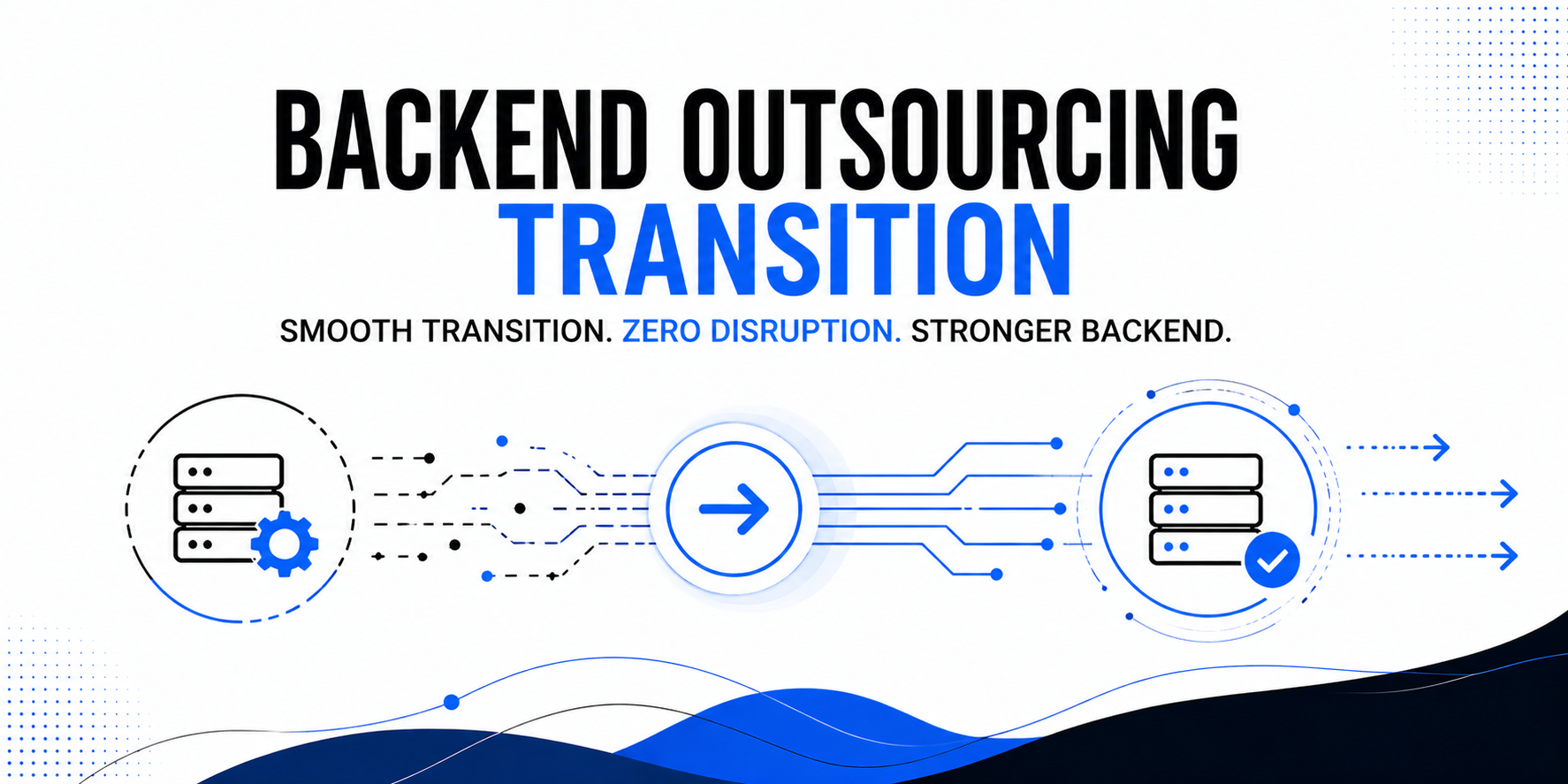
Backend Outsourcing Transition: A Practical Guide to Switching Without Disruption
Replacing or restructuring your backend team can feel risky. Concerns about downtime, missed releases, knowledge loss, and user experience are completely valid—especially if the transition is rushed or unstructured. But with the right approach, a backend outsourcing transition can be smooth, controlled, and even performance-enhancing. This guide breaks down how to execute a seamless transition…
-
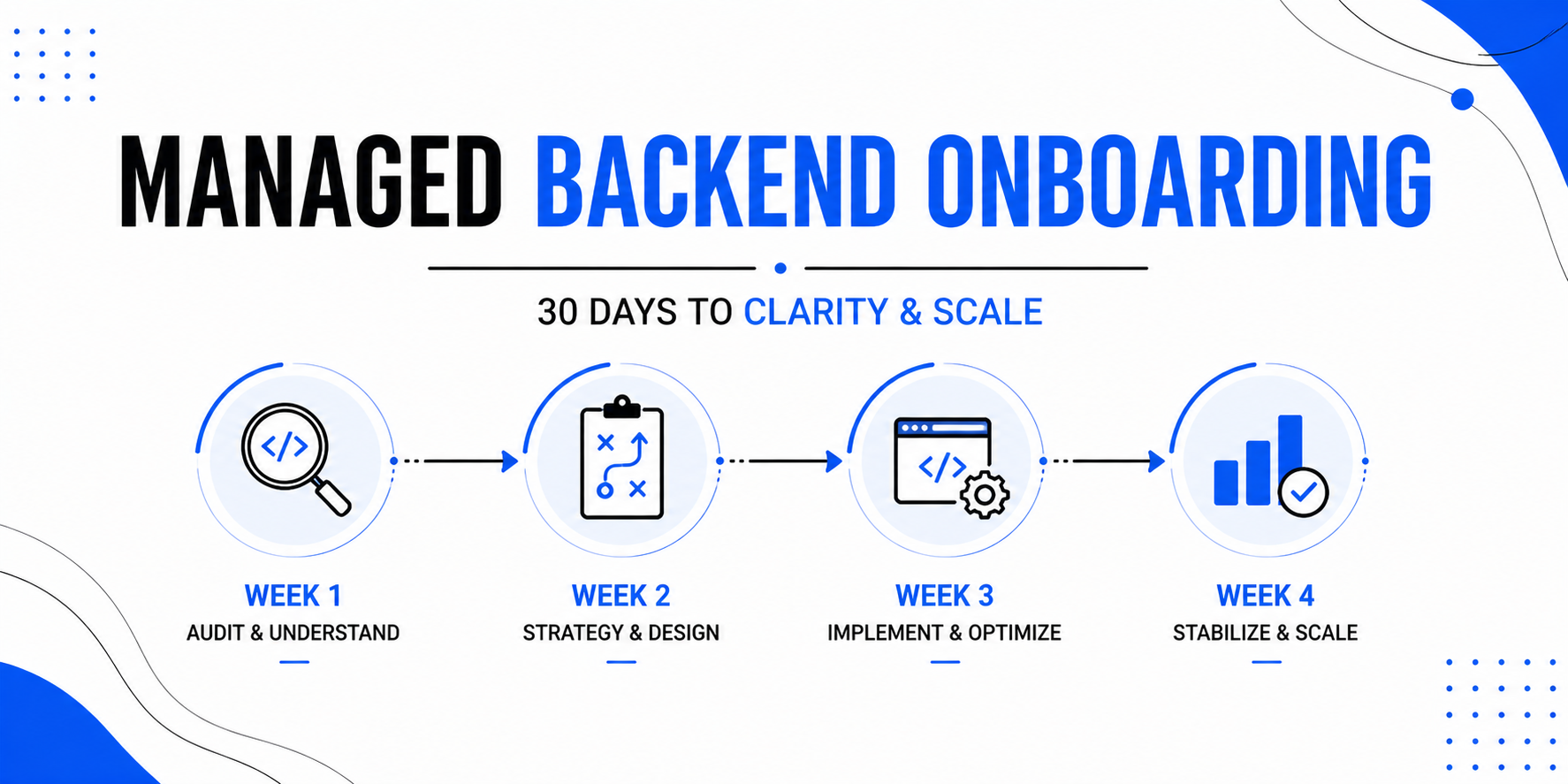
Managed Backend Onboarding: A Founder’s Guide to the First 30 Days
The first 30 days of any backend partnership determine everything—speed, clarity, and long-term success. This phase is not just about setup. It’s about transformation. A well-executed managed backend onboarding process replaces chaos with structure, uncertainty with clarity, and inefficiency with scalable systems. If done right, your backend stops being a bottleneck—and starts becoming a growth…
-
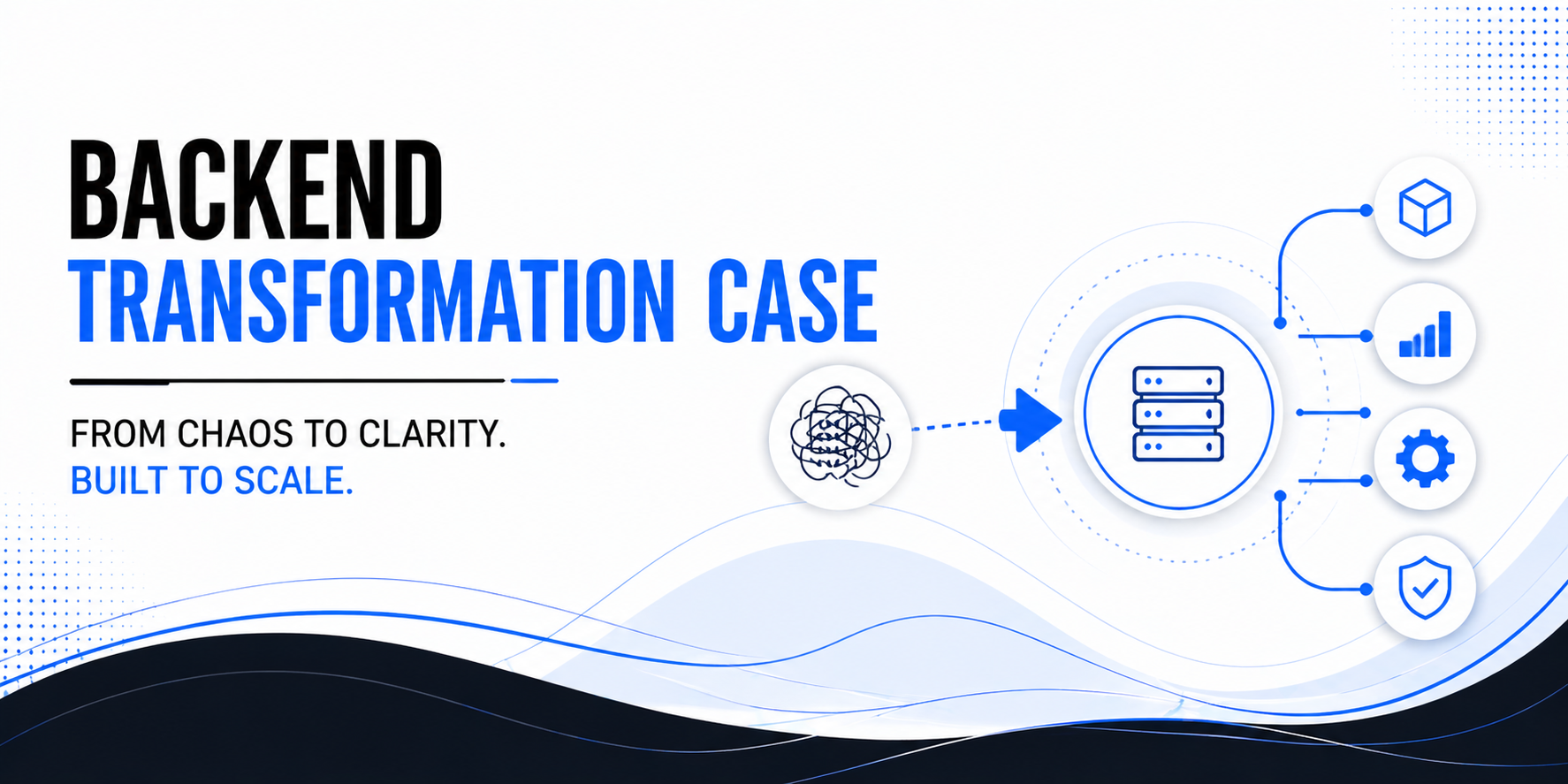
Backend Transformation Case: How to Turn System Chaos into Scalable Clarity
Every growing product eventually reaches a breaking point. What once worked smoothly begins to slow down. Bugs become frequent, deployments feel risky, and teams spend more time fixing issues than building new features. This is where a becomes not just relevant—but necessary. A transformation is not about rewriting everything blindly. It’s about identifying what’s broken,…
-
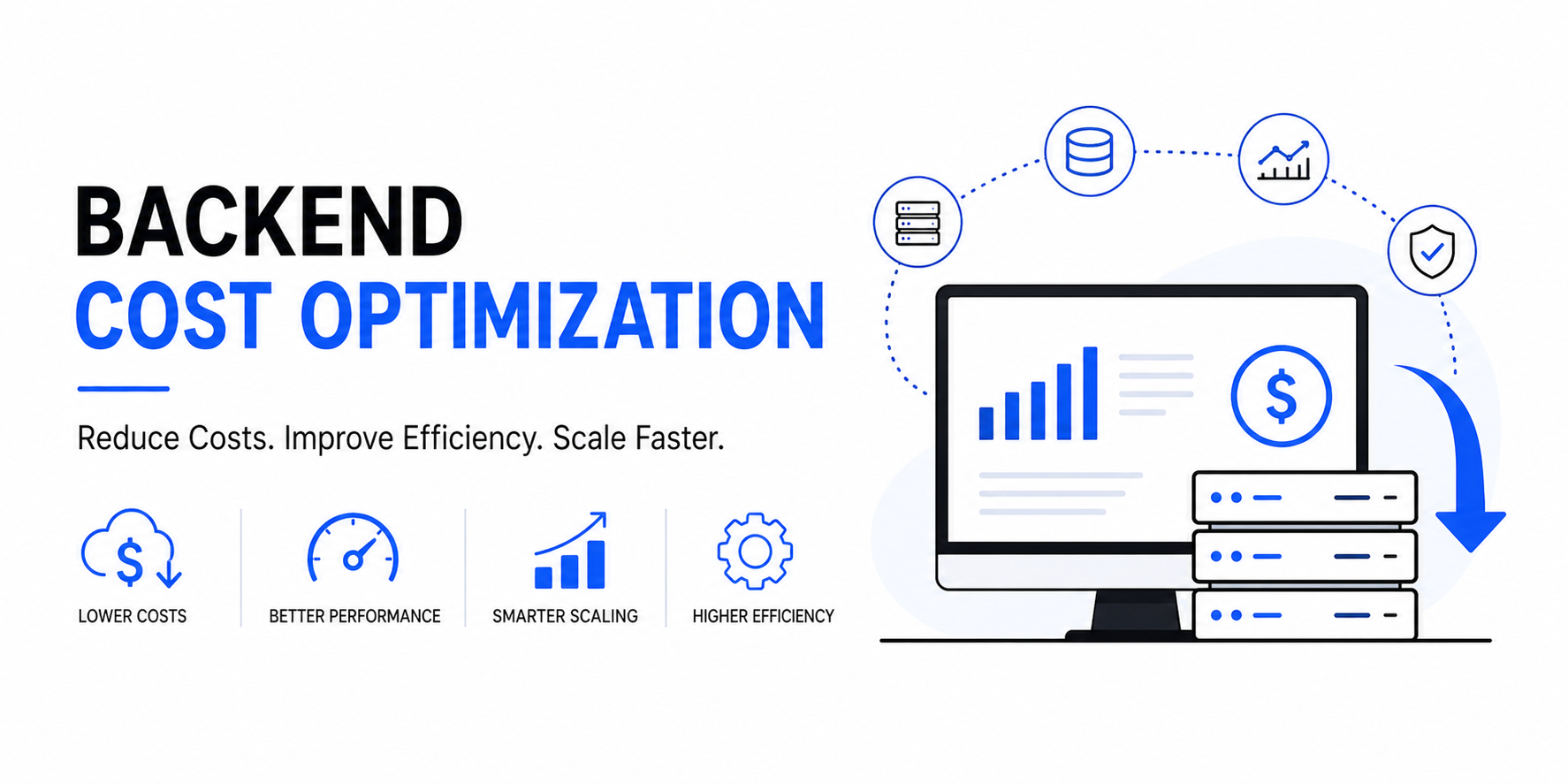
Backend Cost Optimization: How to Reduce Costs Without Slowing Growth
As digital products scale, backend costs tend to rise alongside them. More users mean more compute power, more data storage, and more infrastructure complexity. For many teams, this creates a difficult trade-off: control costs or continue scaling. But this trade-off is not inevitable. With the right approach to backend cost optimization, you can reduce infrastructure…