What Is Data Engineering and Why Does It Matter?
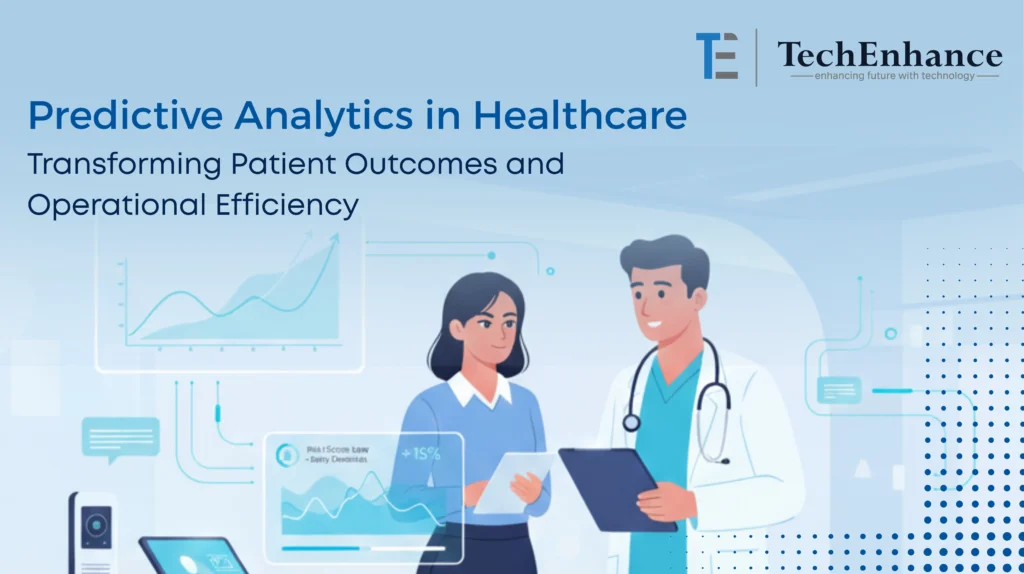
The healthcare industry stands at the intersection of data, technology, and patient care. As digital transformation accelerates, organizations are seeking smarter ways to manage data, improve clinical decisions, and deliver more personalized care. One of the most powerful innovations driving this shift is predictive analytics — the science of using data, statistical models, and machine learning techniques to forecast future events.
From predicting disease risks to optimizing hospital operations, predictive analytics is revolutionizing how healthcare providers deliver value. And with the right predictive analytics consulting expertise, hospitals and medical institutions can transform massive datasets into actionable insights that improve patient outcomes, reduce costs, and enhance operational efficiency.
What is Predictive Analytics in Healthcare?
Predictive analytics in healthcare involves using data from multiple sources — such as electronic health records (EHRs), wearable devices, medical imaging, and patient surveys — to identify patterns and predict future outcomes. The goal is to shift from reactive healthcare (treating illnesses after they occur) to proactive healthcare (preventing illnesses before they develop).
For example, predictive models can:
- Identify which patients are at high risk of developing chronic diseases like diabetes, heart failure, or COPD.
- Forecast hospital readmission rates to improve post-discharge care.
- Predict patient volumes to manage staff and resources more efficiently.
In short, predictive analytics empowers healthcare providers to make data-driven decisions that lead to better health outcomes and operational sustainability.
The Growing Role of Data in Modern Healthcare
Healthcare generates an enormous amount of data every day — from lab results and prescriptions to medical scans and insurance claims. However, this data is often scattered across multiple systems, making it difficult to extract meaningful insights.
This is where data analytics consulting firms come into play. They help healthcare organizations build unified data infrastructures, integrate advanced analytics tools, and establish frameworks for predictive modeling. With such systems in place, hospitals can use data not just for reporting, but for real-time decision-making and forecasting.
The ability to predict events such as patient deterioration, resource shortages, or disease outbreaks can fundamentally change how healthcare operates — saving both lives and costs.
Key Applications of Predictive Analytics in Healthcare
Early Disease Detection and Prevention
Early detection is the cornerstone of effective healthcare. Predictive models analyze patient data to identify risk factors and early symptoms, allowing doctors to intervene before a disease progresses.
For instance, machine learning algorithms can detect subtle patterns in diagnostic imaging to spot cancers or neurological disorders earlier than traditional methods. Preventive care not only saves lives but also significantly reduces long-term treatment costs.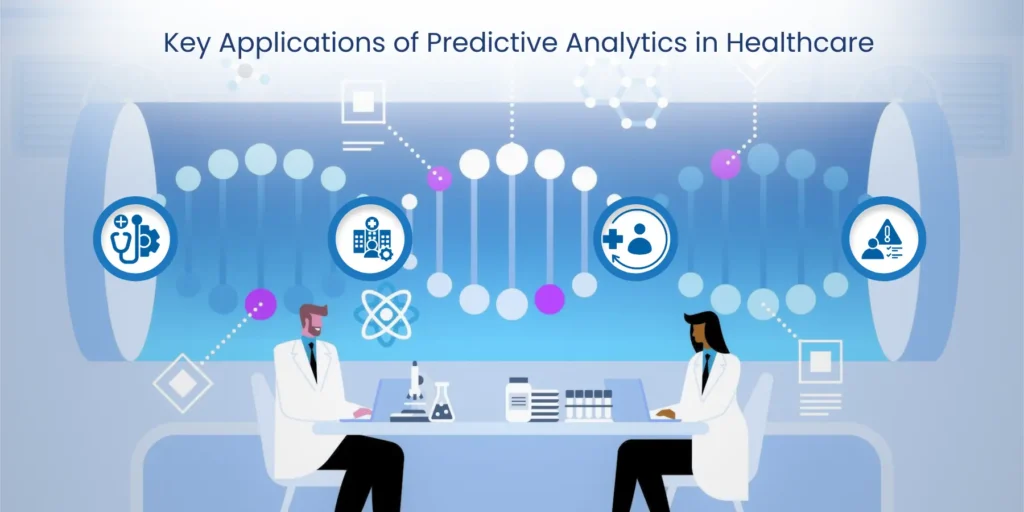
Personalized Medicine and Treatment Plans
Every patient is unique, and so should be their treatment. Predictive analytics enables physicians to tailor treatment based on genetics, medical history, and lifestyle. As highlighted by Forbes, personalized medicine powered by analytics ensures each patient receives the most effective therapy — improving recovery rates and minimizing side effects. Pharmaceutical companies are also using predictive models to identify which patient groups will respond best to specific drugs, optimizing clinical trials and medication development.
Hospital Resource and Capacity Management
One of the biggest operational challenges hospitals face is managing unpredictable patient flow. Predictive analytics can forecast admissions, emergency visits, and bed occupancy rates, helping administrators allocate staff, equipment, and rooms more effectively.
A Harvard Business Review study shows how predictive modeling in hospitals reduces waiting times and boosts efficiency — leading to better patient care and optimized costs.
Reducing Readmissions and Improving Post-Discharge Care
Hospital readmissions can be costly and often indicate gaps in patient follow-up. Predictive models can identify patients most likely to be readmitted based on their medical condition, age, and past data.
Research published by Deloitte Insights notes that predictive analytics enables hospitals to design post-discharge plans that minimize risks, improve recovery, and enhance patient satisfaction.
Predicting Outbreaks and Public Health Crises
Predictive analytics has also proven invaluable for public health management. By analyzing population-level data, health authorities can detect emerging disease trends and predict potential outbreaks.
This proactive approach allows governments and organizations to prepare early — allocating medical supplies, deploying healthcare workers, and implementing containment measures.
Fraud Detection and Compliance
Healthcare fraud — such as false insurance claims or duplicate billing — costs billions annually. Predictive analytics systems can flag unusual patterns and detect fraudulent activities in real time.
Additionally, predictive tools help ensure compliance with healthcare regulations by monitoring data accuracy, privacy practices, and audit trails.
Benefits of Predictive Analytics in Healthcare
Implementing predictive analytics provides a wide range of benefits across the healthcare ecosystem:
- Improved patient outcomes: Early intervention and personalized treatment improve recovery rates.
- Cost reduction: Hospitals save money through better resource management and prevention of chronic illnesses.
- Operational efficiency: Staff scheduling and equipment use become more efficient through demand forecasting.
- Better patient experience: Shorter wait times, personalized care, and accurate diagnoses enhance satisfaction.
- Faster clinical decision-making: Doctors can rely on real-time insights rather than trial and error.
Predictive analytics is not just a technology — it’s a strategy that connects patient care with organizational excellence.
Challenges in Implementing Predictive Analytics
“Although predictive analytics has great potential, its implementation in healthcare faces several challenges.”
- Data Fragmentation: Healthcare data often exists in isolated silos across different systems, making integration difficult.
- Privacy and Security: Protecting sensitive patient information is critical. Any analytics platform must comply with strict data protection regulations like HIPAA.
- Data Quality Issues: Inaccurate, incomplete, or outdated data can lead to unreliable predictions.
- Skill Gaps: Successful deployment requires expertise in AI, machine learning, and healthcare analytics — areas where specialized support is essential.
- Cultural Resistance: Healthcare professionals may be hesitant to adopt new technologies without proper training or trust in the system.
This is where predictive analytics consulting becomes crucial. Experienced consultants guide healthcare organizations in selecting the right tools, designing compliant workflows, and building models tailored to their specific challenges. They ensure that predictive analytics adds measurable value without compromising data security or clinical accuracy.
The Future of Healthcare Analytics
As technologies like Artificial Intelligence (AI), Internet of Things (IoT), and cloud computing evolve, predictive analytics will continue to transform healthcare.
Reports from McKinsey & Company highlight how AI-driven analytics can create “smart hospitals” where patient monitoring, diagnostics, and treatment planning are all data-powered.
Wearable health devices and mobile apps will play an increasing role, continuously feeding patient data into predictive models that can alert both doctors and patients about potential risks before symptoms appear.
Moreover, the integration of data analytics consulting expertise will ensure these predictive models remain scalable, secure, and adaptable to emerging healthcare challenges.
In the near future, predictive analytics will become the backbone of smart hospitals — where technology, data, and human expertise come together to create safer, faster, and more effective care systems.
Conclusion
Predictive analytics is no longer a futuristic concept — it’s a present-day necessity in modern healthcare. By transforming data into foresight, it empowers medical professionals to prevent diseases, personalize treatments, and optimize operations.
Hospitals and healthcare systems that embrace this technology today will lead the next generation of proactive, efficient, and patient-centered care.
With the support of expert consultants and the right data infrastructure, predictive analytics will not only save lives but also redefine what quality healthcare truly means.