

In today’s data-driven business landscape, organizations generate massive volumes of information from countless sources every second. From customer transactions and IoT sensors to social media interactions and enterprise applications, this raw data holds immense potential. However, without proper organization and processing, it remains unusable. This is where data pipeline development becomes essential for modern enterprises.
Understanding Data Pipeline Development
Data pipeline development refers to the creation of automated systems that collect, process, transform, and deliver data from various sources to destinations where it can be analyzed and utilized for business intelligence. Think of it as the digital infrastructure that moves data through your organization, much like water pipelines transport water from reservoirs to your home.
A well-designed data pipeline enables organizations to transform raw, scattered information into actionable insights that drive strategic decision-making. These pipelines handle everything from data extraction and quality validation to transformation and storage, ensuring that information flows smoothly and reliably throughout your data ecosystem.
What is a Data Pipeline?
At its core, a data pipeline is a set of tools and processes designed to ingest raw data from multiple sources, apply necessary transformations, and route it to appropriate storage systems such as data warehouses or data lakes. Before data reaches its final destination, it typically undergoes several processing stages including filtering, masking, aggregation, and validation to ensure data quality and consistency.
Modern data pipelines serve as the foundation for various data-driven initiatives, from business intelligence dashboards and exploratory data analysis to machine learning models and real-time analytics. They eliminate data silos by integrating information from disparate systems and creating a unified view of organizational data.
Why Data Pipeline Development Matters

The importance of robust data pipeline development cannot be overstated in today’s business environment. Consider a typical retail organization using multiple platforms—HubSpot for marketing automation, Salesforce for customer relationship management, and MongoDB for storing customer interactions. Without proper data pipeline architecture, this information remains isolated in separate silos, making it nearly impossible to gain comprehensive business insights or understand critical metrics like your most profitable market segments.
Organizations rely on data pipelines for several crucial reasons:
Improved Data Quality: Data pipelines automatically clean and refine raw information, standardizing formats, removing duplicates, and validating accuracy before the data reaches end users.
Enhanced Operational Efficiency: By automating repetitive data transformation tasks, pipelines free data engineers to focus on extracting valuable business insights rather than manual data manipulation.
Real-Time Decision Making: Modern pipelines enable organizations to process information as it’s generated, supporting time-sensitive business decisions and operational analytics.
Comprehensive Data Integration: Pipelines abstract the complexity of integrating data from multiple sources with different formats and structures, creating a cohesive data environment.
How Data Pipelines Work
Understanding how data pipelines work requires examining their core architectural components:
Data Ingestion
The pipeline begins by collecting data from various sources, applications, IoT devices, databases, APIs, and third-party services. This extraction can happen in real-time through streaming or at scheduled intervals through batch processing. During ingestion, the pipeline performs initial validations to ensure data consistency and tracks data lineage to document how information flows through the system.
Data Transformation
Once data enters the pipeline, it undergoes a series of transformations to meet business requirements and destination schema specifications. These operations include sorting, filtering, deduplication, aggregation, and format conversion. For instance, a nested JSON data stream might be unrolled to extract key fields for analysis, or customer records from multiple sources might be merged and standardized.
Data Storage
After transformation, data is loaded into its destination repository—whether a data warehouse for structured analytics, a data lake for diverse data types, or specialized databases for specific use cases. The pipeline ensures that data arrives in the correct format and structure required by these systems.
Monitoring and Orchestration
Throughout this process, the pipeline monitors data flow, tracks dependencies between processing steps, and handles errors gracefully. Modern pipelines include workflow orchestration capabilities that manage the sequence and timing of operations, ensuring reliable and efficient data processing.
Types of Data Pipelines
Organizations can choose from several data pipeline architectures based on their specific requirements:
Batch Processing Pipelines
Batch pipelines process large volumes of data at scheduled intervals, typically during off-peak hours to avoid impacting other workloads. They’re ideal for scenarios where real-time processing isn’t necessary, such as monthly reporting, historical analysis, or periodic data synchronization. Batch pipelines follow the traditional ETL (Extract, Transform, Load) approach, where data is extracted from sources, transformed in a staging area, and then loaded into the destination.
Streaming Data Pipelines
Also known as real-time or event-driven pipelines, streaming architectures process data continuously as events occur. These pipelines are essential for applications requiring immediate insights, such as fraud detection, inventory management, or real-time personalization. Technologies like Apache Kafka enable streaming pipelines to handle high-velocity data flows with low latency.
Cloud-Native Pipelines
Built specifically for cloud environments, these pipelines leverage the scalability, flexibility, and managed services offered by cloud platforms. They can dynamically scale resources based on data volumes and integrate seamlessly with cloud-native storage and analytics services.
Hybrid Pipelines
Many organizations implement hybrid approaches that combine batch and streaming processing, allowing them to handle both real-time events and large-scale historical data processing within the same infrastructure.
How to Build a Data Pipeline?
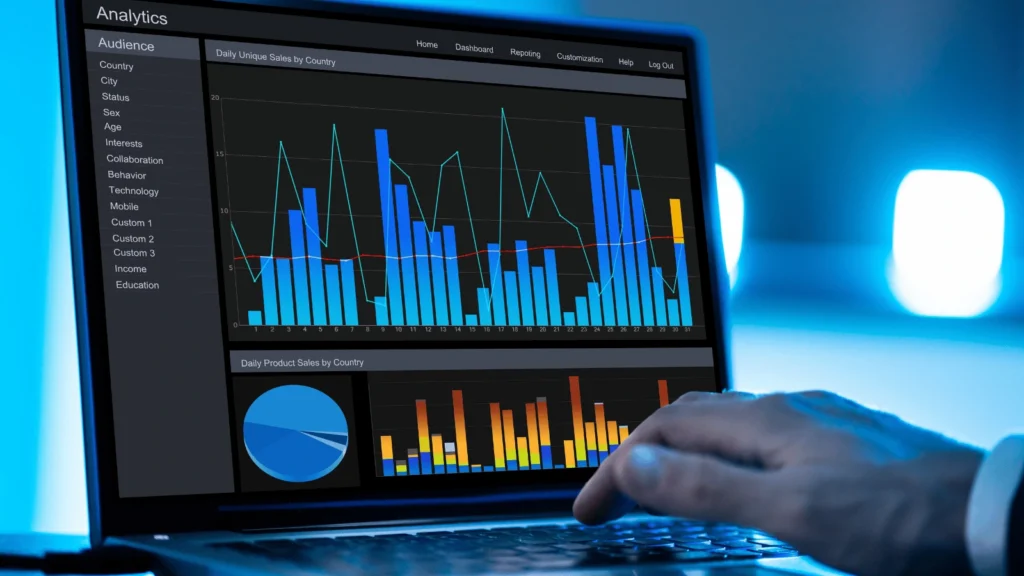
Creating an effective data pipeline requires careful planning and execution:
- Define Requirements: Start by understanding your data sources, transformation needs, and destination systems. Identify latency requirements, data volumes, and quality standards.
- Select Technologies: Choose appropriate tools based on your requirements—whether open-source solutions like Apache Airflow and Spark or managed services from cloud providers.
- Design Architecture: Plan the pipeline structure, including ingestion methods, transformation logic, and storage solutions. Consider scalability, fault tolerance, and monitoring needs.
- Implement Data Quality Checks: Build validation and cleansing processes to ensure data accuracy and consistency throughout the pipeline.
- Establish Monitoring: Implement comprehensive monitoring and alerting to track pipeline performance, data quality, and potential failures.
- Document and Test: Thoroughly document your pipeline design and test it with realistic data volumes before production deployment.
Data Pipeline Development Challenges
While data pipelines offer significant benefits, organizations face several challenges in their development:
Connectivity: Integrating diverse data sources with different protocols and formats requires flexible connection capabilities.
Scalability: Pipelines must handle growing data volumes without degrading performance or reliability.
Data Quality: Maintaining data accuracy and consistency across multiple transformations and systems demands robust validation processes.
Latency: Balancing processing speed with resource costs, especially for real-time pipelines, presents ongoing challenges.
Maintenance: As business requirements evolve, pipelines need regular updates and optimization to remain effective.
Future of Data Pipeline Development
As organizations continue their digital transformation journeys, data pipeline development evolves to meet emerging needs. Modern pipelines increasingly incorporate artificial intelligence for automated data quality management, adaptive scaling, and intelligent routing. The shift toward real-time processing accelerates, with more organizations demanding instant insights from their data.
Cloud-native architectures continue gaining prominence, offering unprecedented scalability and flexibility. Meanwhile, the focus on data observability grows, with organizations implementing comprehensive monitoring to ensure pipeline reliability and data trustworthiness.
Conclusion
Data pipeline development represents a critical capability for organizations seeking to leverage their data assets effectively. By automating the flow of information from sources to destinations while ensuring quality, consistency, and timeliness, pipelines enable businesses to make data-driven decisions with confidence. Whether you’re building batch processing systems for historical analysis or real-time streaming pipelines for operational insights, understanding the fundamentals of data pipeline development is essential for success in today’s data-intensive business environment.
Investing in robust data pipeline architecture pays dividends through improved data quality, operational efficiency, and the ability to extract meaningful insights from your organization’s information assets. As data volumes and complexity continue to grow, well-designed pipelines become increasingly vital for maintaining competitive advantage and driving business innovation.
Looking to build powerful data solutions for your business? Explore our data engineering services, cloud migration solutions, analytics consulting, and machine learning services to transform your data infrastructure.